
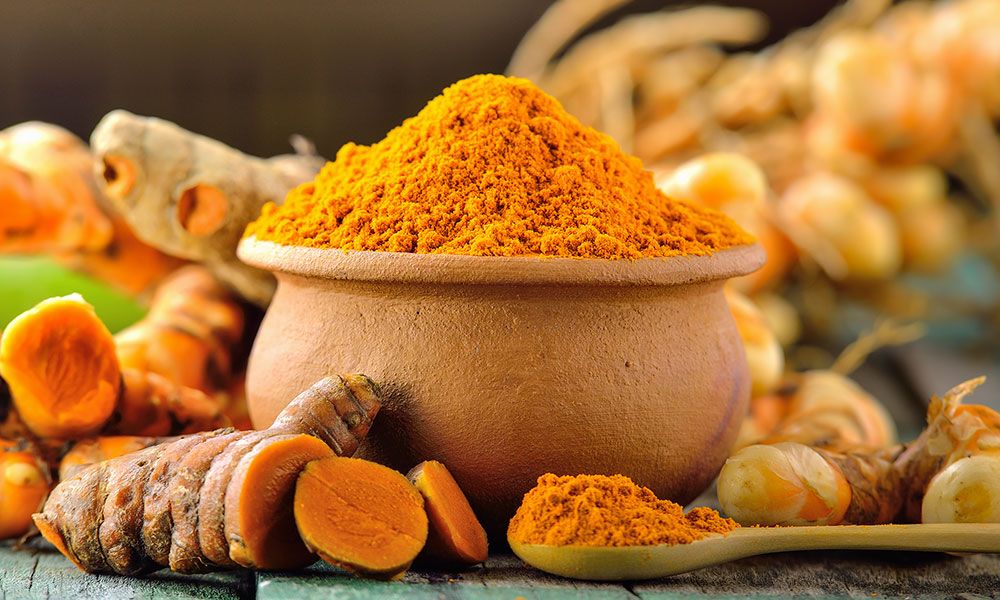
Turmeric is in everything now — lattes, skincare, supplements, curries. But most people buying turmeric powder off a supermarket shelf have no idea that the turmeric world has a “top-tier” variety most brands don’t use: Lakadong turmeric, grown in the hills of Meghalaya.
What Makes Turmeric “Good” in the First Place?
Turmeric’s benefits come almost entirely from one compound: curcumin. The more curcumin a turmeric root contains, the more potent its effects — and this is where most commercial turmeric falls short. Standard turmeric typically contains 2–3% curcumin. Lakadong turmeric, thanks to Meghalaya’s unique soil and climate, is known for curcumin levels significantly higher than that — among the highest of any turmeric grown in the world.
That difference matters more than most turmeric marketing lets on. Two jars labeled “100% turmeric powder” can have very different real-world effects depending on which variety is inside.
What the Research Actually Says
- Joint and inflammation support: Research has linked curcumin supplementation to reduced joint inflammation and pain in people with osteoarthritis.
- Blood sugar support: Clinical trial research has found curcumin supplementation can meaningfully lower fasting blood glucose, HbA1c, and insulin resistance.
- Brain health: One clinical trial found that curcumin taken twice daily for 18 months improved memory performance in adults without dementia.
- Antioxidant effects: Turmeric’s compounds help the body counter oxidative stress linked to a range of chronic conditions.
It’s worth being honest about the limits too — research on turmeric for conditions like stomach ulcers or Alzheimer’s has generally not shown clear benefit, and turmeric is not a substitute for prescribed treatment for any medical condition.
Side Effects & Who Should Be Careful
Turmeric is well-tolerated by most people at normal food-level amounts, but at higher concentrated doses it can cause:
- Mild stomach upset, nausea, or diarrhea
- A blood-thinning effect — caution advised for anyone on blood-thinning medication, or before surgery
- Uncertain safety at high supplement doses during pregnancy — food-level use is different from concentrated supplementation, so check with a doctor if unsure
How to Actually Use It
Turmeric doesn’t have to live only in curry. Some simple, everyday ways to use it:
- Golden milk: ½ tsp turmeric in warm milk (dairy or plant-based) with a pinch of black pepper — piperine in black pepper significantly improves curcumin absorption
- Morning ritual: ¼ tsp with warm water and honey
- Cooking: Stir into dals, rice, soups, and vegetable dishes
- Skin: A traditional haldi face pack with besan and rose water
The Bottom Line
Turmeric’s reputation is well-earned, but not all turmeric delivers the same effect. If you’re taking it for a specific reason — joints, blood sugar, general antioxidant support — the curcumin content of what you’re actually buying matters more than the word “turmeric” on the label. A high-curcumin, single-origin variety like Lakadong gives you a meaningfully different product than the average supermarket jar.
FAQ
Is Lakadong turmeric better than regular turmeric? Yes, in terms of curcumin content — Lakadong turmeric is known for one of the highest curcumin concentrations of any turmeric variety, which is the compound responsible for most of turmeric’s studied benefits.
How much turmeric should I take daily? Most studies use anywhere from ¼ tsp to 1–2 grams of curcumin-standardized extract daily — food-level culinary use is generally considered safe for most healthy adults.
Does black pepper really help turmeric work better? Yes — piperine, the active compound in black pepper, has been shown to significantly increase curcumin absorption in the body.